Shared ownership valuations
Your share, answered.
The RICS valuation that sets the price when you staircase or sell your share. Compare quotes from Registered Valuers who know the rules.
Free for homeowners · No obligation · RICS Registered Valuers only
Checks matched to the service
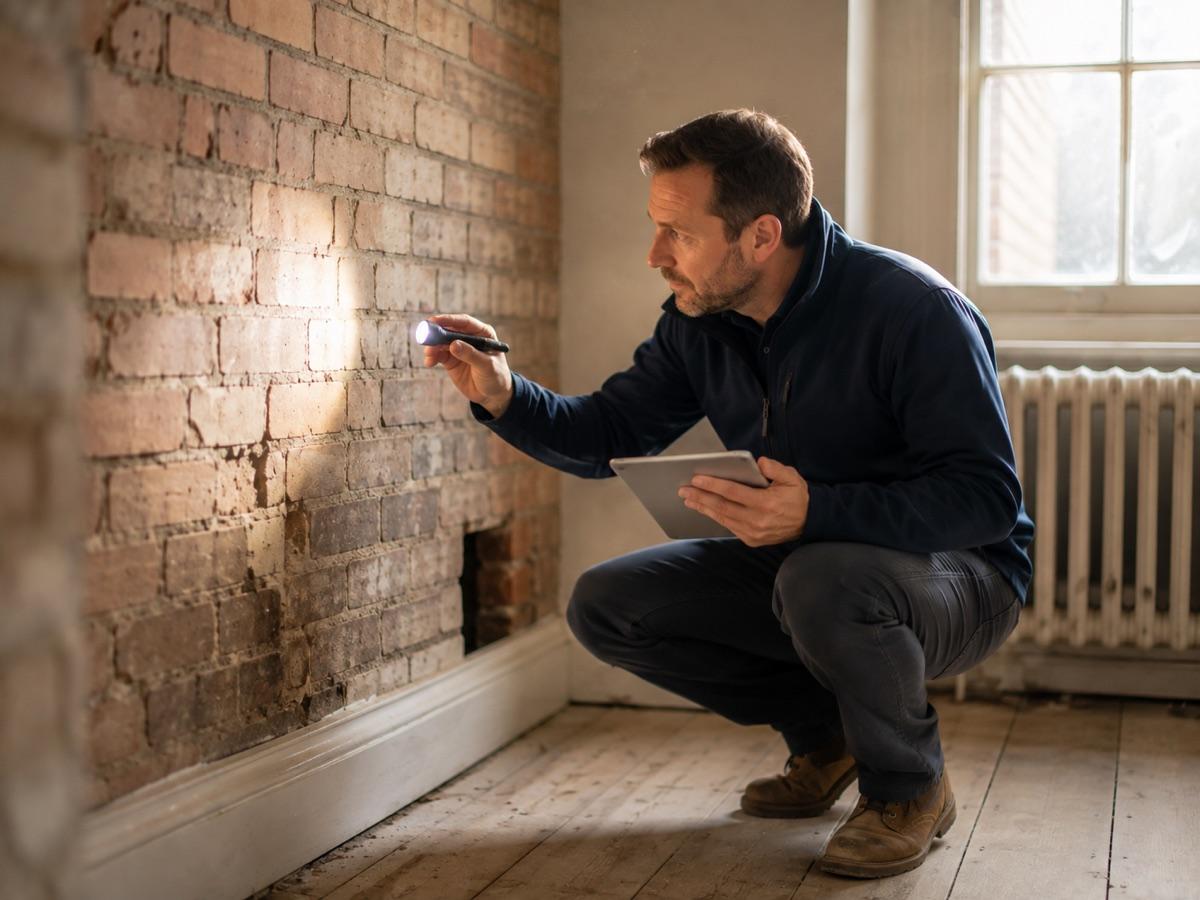
We verify the business and complete the checks required for that service before a RICS valuer can receive an enquiry.
See what we checkYou control how many contact you
You choose how many matched professionals get in touch - and your details go only to those businesses.
Compare with no obligation
Your matches quote you directly. Compare price, what's included, availability and experience, then decide in your own time.
What is a shared ownership valuation?
When you staircase (buy more shares in your shared ownership home), sell your share, or sometimes remortgage, your housing provider requires an independent RICS valuation to set the price. The valuer inspects the property, evidences the figure with comparable sales, and reports the full market value - your transaction price is then your share percentage of that figure.
The valuation is the number the whole transaction hangs on: on a 25 per cent staircasing step, every £10,000 of value moves your price by £2,500. Housing associations have specific report requirements, and valuers who do shared ownership work regularly know them.
When do you need one?
A RICS valuation is required when you're:
- Staircasing - buying an additional share of your home
- Selling your share, whether back through the provider or on the open market
- Remortgaging, where your lender or provider asks for one
- Renewing an expired valuation - they're typically valid for 3 months
What does it cost?
A shared ownership valuation typically costs £150 to £350. It's a defined piece of work with a defined report format, which is why fixed quotes are the norm and comparing four to six is quick.
Factor the three-month validity into your timing: commissioning it too early in a slow staircasing process can mean paying for a refresh.
Run your own numbers in our survey cost calculator, then compare real quotes against it.
How it works
A simpler way to find the right help.
 1
1Tell us what you need
Answer a few quick questions about the service, property and postcode. It takes about 60 seconds.
 2
2Get matched
We match you with Homeply Verified RICS valuers who cover your area and are taking on work. You choose how many get in touch.
 3
3Compare and choose
Your matches contact you directly with quotes. Compare price, what's included and credentials, then choose who feels right.
Your matched valuers get in touch directly with quotes. There's no obligation to instruct any of them.
What Homeply Verified means for shared ownership valuations
We confirm RICS Registered Valuer status against the RICS register before any enquiry is delivered. Status is re-checked annually, and immediately if a complaint gives us reason to. RICS members carry professional indemnity insurance under RICS rules.
The valuation and the report come from the valuer you instruct, not from Homeply, and your contract is with them. We do the checking; they do the valuing.
See the full standardKnow before you instruct
Plain-English guides and a cost calculator, so you can take the next step with confidence.
Frequently asked questions
Why does my housing association insist on a RICS valuation?
Because the valuation sets the price for both sides. Providers require an independent RICS Registered Valuer's report with comparable evidence so neither party can game the figure - estate agent appraisals and online estimates aren't accepted.
Who pays for it?
You do, as the leaseholder, for staircasing and resales. Check your provider's process first: some have panel requirements or specific report formats, and every valuer quoting through Homeply can confirm they'll meet them.
How long is the valuation valid?
Usually three months. If your staircasing or sale takes longer, most valuers offer a desktop refresh for a reduced fee - ask about it up front so an expiry doesn't stall the transaction.
Do my own improvements count in the value?
Provider rules commonly disregard the value added by qualifying home improvements you've made when setting a staircasing or resale price - tell the valuer what you've done, and they'll apply your lease's rules correctly.
What if the value seems too high or too low?
Ask the valuer to review it against specific comparable sales you can point to. If you still disagree, most providers have a challenge or second-valuation process - resolving it early beats renegotiating a whole transaction later.
Ready for your next step on the ladder?
Compare valuation quotesFree for homeowners · No obligation · You choose how many professionals contact you